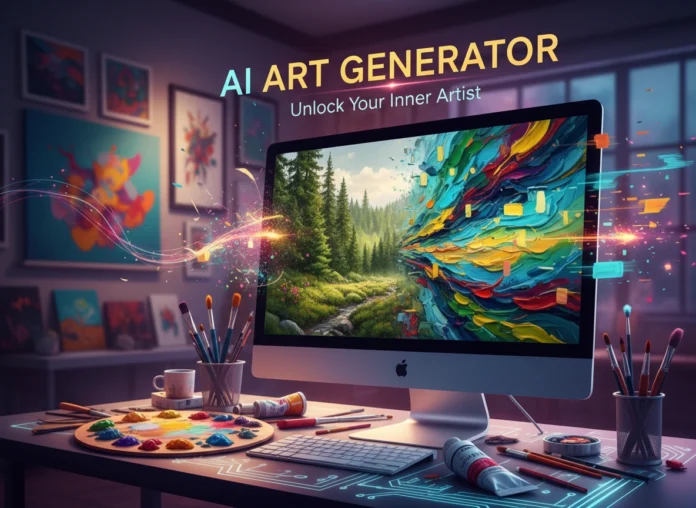
The line between a photograph and a masterpiece is becoming beautifully blurred. What was once the domain of skilled painters and digital artists is now accessible to everyone, thanks to artificial intelligence. AI tools for turning photos into art are transforming simple snapshots into stunning visual creations, mimicking styles from Impressionism to modern abstract. This technology empowers both seasoned creators and everyday users to explore new artistic frontiers with just a few clicks.
This article explores the world of AI-driven photo-to-art generation. We will examine the technology that makes it possible, spotlight some of the most popular tools available, and discuss their practical applications. We will also weigh the benefits and limitations of these platforms and look ahead to what the future holds for AI in digital creativity.
How AI Transforms Photos into Art
At the core of this artistic revolution is a technology known as neural style transfer. This is a deep learning technique that takes two images—a content image (your photo) and a style image (a work of art)—and blends them. The AI analyzes the stylistic elements of the art piece, such as its colors, textures, and brushstrokes, and applies them to the content of your photograph.
The process relies on a complex type of neural network called a Convolutional Neural Network (CNN). Originally designed for image recognition tasks, CNNs can deconstruct an image into its fundamental components.
Here’s a simplified breakdown of how it works:
- Content Extraction: The AI processes your photograph to understand its subject matter, shapes, and overall structure. It identifies the key objects and their arrangement within the frame.
- Style Extraction: The AI analyzes the style reference image, learning its aesthetic DNA. It captures the color palette, texture patterns, and the “feel” of the artwork.
- Image Synthesis: The magic happens here. The AI generates a new image from scratch, aiming to preserve the content of your photo while recreating it entirely in the learned artistic style.
More advanced AI models, like Generative Adversarial Networks (GANs), take this a step further. GANs consist of two competing neural networks: a Generator and a Discriminator. The Generator creates new images, and the Discriminator tries to tell them apart from real images. This competitive process pushes the Generator to create increasingly realistic and stylistically accurate results.
Popular AI Tools for Artistic Transformation
The market is filled with powerful and user-friendly tools that bring this technology to your fingertips. Whether you’re a professional looking for a new creative outlet or a hobbyist wanting to spice up your social media feed, there is a tool for you.
Midjourney
While primarily known as a text-to-image generator, Midjourney offers robust image-to-image capabilities. Users can upload a photo and combine it with a text prompt describing an artistic style. For instance, you could upload a portrait and prompt Midjourney to render it “in the style of a Picasso cubist painting” or “as a vibrant watercolor illustration.”
- Best for: High-quality, artistic interpretations with a high degree of user control through text prompts.
- How it works: Users interact with a Discord bot, providing image URLs and text commands to guide the AI. The results are often painterly, detailed, and unique.
Fotor
Fotor is an all-in-one photo editor that has integrated a powerful AI art generator. Its “Photo to Art” feature offers a wide selection of predefined styles, from classic painters like Van Gogh and Monet to modern styles like pop art and surrealism. The platform is known for its accessibility and speed, allowing users to apply effects instantly.
- Best for: Beginners and casual users who want a simple, one-click solution for applying artistic styles.
- How it works: You upload your photo, browse through a gallery of style filters, and select the one you like. Fotor handles the rest, often providing results in seconds.
Prisma
One of the pioneers in the mobile space, Prisma became a viral sensation for its ability to turn smartphone photos into art. It uses neural networks and AI to apply a vast library of filters inspired by famous artists and artistic movements. Its focus on mobile usability makes it a go-to for on-the-fly creativity.
- Best for: Mobile users who want quick, stylish edits for social media sharing.
- How it works: The app-based interface is intuitive. You snap or upload a photo, choose from dozens of artistic styles, and share the result directly from your phone.
DeepArt.io
DeepArt.io takes a more purist approach to neural style transfer. Instead of offering preset filters, it allows you to upload your own content and style images. This gives you complete freedom to combine any photo with any artwork, leading to truly personalized creations. The processing can take longer than other platforms, but the results are often more faithful to the chosen style.
- Best for: Artists and enthusiasts who want maximum creative control by providing their own style references.
- How it works: You upload two images—one for content, one for style. The platform’s algorithm then merges them to produce a unique piece of art.
The Benefits and Limitations of AI Art Generators
These tools offer a host of advantages that are democratizing the world of art. However, it’s also important to acknowledge their current limitations.
Key Benefits
- Accessibility: Anyone can create visually compelling art without needing years of training or expensive software. This opens up creative expression to a much broader audience.
- Speed and Efficiency: What would take a human artist hours or days to replicate can be generated by an AI in minutes or even seconds. This is a massive boon for designers and content creators working on tight deadlines.
- Inspiration and Ideation: AI art generators can serve as powerful brainstorming tools. Artists can quickly test different stylistic approaches for a project, helping them visualize concepts before committing to a final direction.
- Novelty and Experimentation: The ability to merge any photo with any style encourages experimentation. You can discover unique aesthetic combinations that you might never have considered otherwise.
Potential Limitations
- Lack of Original Intent: While the output can be beautiful, it is an algorithmic interpretation, not a product of human emotion or intent. The “soul” of the artwork comes from the original style reference, not the AI itself.
- Predictability and Homogenization: As certain AI tools and styles become popular, there’s a risk of visual homogenization, where many images start to look alike. The novelty can wear off if everyone is using the same dozen filters.
- Resolution and Artifacts: Depending on the tool and the complexity of the style, AI-generated images can sometimes suffer from low resolution or contain strange visual glitches known as artifacts. This can make them unsuitable for high-quality printing.
- Copyright and Ethical Concerns: The use of existing artworks as style references raises complex questions about copyright and intellectual property. Are AI-generated images derivative works? Who owns the final creation—the user, the AI developer, or the original artist whose style was mimicked? These legal and ethical gray areas are still being debated.
The Future of AI in Digital Art
The field of AI art generation is evolving at a breathtaking pace. We are moving beyond simple style transfers toward more sophisticated forms of creative collaboration between humans and machines.
The future will likely see AI models that understand artistic principles on a deeper level. Imagine an AI that doesn’t just copy a style but can generate a new, unique style based on your instructions. We can also expect more seamless integration of these tools into professional creative workflows, with plugins for software like Adobe Photoshop and Procreate that offer real-time style application.
Ultimately, these AI tools are not here to replace human artists. Instead, they are powerful new instruments in the creative toolkit. They can handle tedious technical tasks, provide endless inspiration, and push the boundaries of what is visually possible. The true art will lie in how we guide these tools, the creative choices we make, and the human stories we choose to tell through this exciting new medium.
Please visit this website for more info

