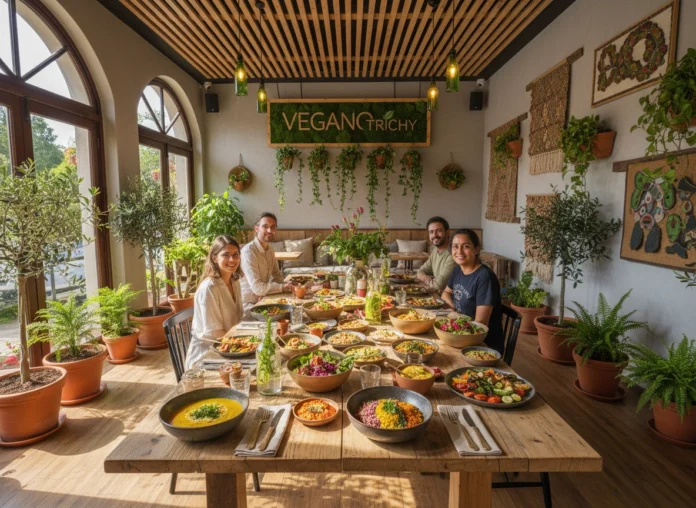
Sustainable dining is no longer just a trend; it has become a necessary evolution in how we approach food. As climate change concerns mount and consumers become more conscious of their carbon footprints, the restaurant industry faces pressure to adapt. In the heart of Trichy, a culinary revolution is quietly taking place. Veganov Trichy stands as a prime example of how local eateries can champion environmental stewardship without compromising on flavor or dining experience.
This article explores the rising tide of eco-friendly dining and how Veganov Trichy exemplifies these principles through local sourcing, waste reduction, and the promotion of plant-based living.
The Urgent Need for Sustainable Dining
The global food system contributes significantly to greenhouse gas emissions, water usage, and land degradation. Traditional dining models often prioritize convenience and cost over environmental health, leading to excessive food waste and a reliance on carbon-heavy supply chains. Eco-friendly dining seeks to reverse this damage. It focuses on minimizing environmental impact throughout the entire lifecycle of a meal—from the farm to the fork, and eventually, to the disposal of waste.
For a restaurant to be truly sustainable, it must address three core pillars:
- Sourcing: Where does the food come from?
- Operations: How is energy and waste managed?
- Menu: What is being served?
Veganov Trichy has managed to weave these pillars into its daily operations, creating a blueprint for other establishments in the region.
Veganov Trichy: A Local Beacon of Green Living
Located in Tiruchirappalli (Trichy), Veganov has carved out a niche not just as a restaurant, but as a movement. Their philosophy is simple yet profound: food should heal the body and the planet simultaneously. By strictly adhering to a vegan menu, they automatically reduce the immense water and carbon footprint associated with animal agriculture. However, their commitment goes far beyond just removing meat and dairy from the menu.
Sourcing Local and Seasonal Ingredients
One of the most effective ways to reduce a restaurant’s carbon footprint is to shorten the supply chain. Importing exotic ingredients from across the globe requires significant fossil fuel for transportation. Veganov Trichy combats this by prioritizing local procurement.
By partnering with farmers in and around the Trichy district, the restaurant ensures that the vegetables, grains, and spices used are fresh and travel minimal distances. This “farm-to-table” approach supports the local agricultural economy and ensures that diners are eating nutrient-dense food harvested at its peak.
- Economic Impact: Money spent on local produce stays within the community, supporting small-scale farmers rather than large, distant conglomerates.
- Flavor Profile: Seasonal ingredients simply taste better. A tomato ripened on a vine in a nearby field has a depth of flavor that a cold-storage tomato shipped from another continent cannot match.
The Power of Plant-Based Diets
The decision to be a 100% vegan establishment is the single most impactful sustainability measure Veganov Trichy employs. According to a comprehensive study by the University of Oxford, cutting meat and dairy products from your diet can reduce an individual’s carbon footprint from food by up to 73%.
At Veganov, the menu is designed to showcase the versatility of plants. They use indigenous millets, legumes, and vegetables to create dishes that are familiar to the local palate yet entirely plant-based. By normalizing vegan dining in a city known for its traditional culinary heritage, they are helping to shift cultural perceptions about what constitutes a “complete” meal.
This shift is crucial. Livestock farming uses vast amounts of land and water. By serving plant-based alternatives, Veganov Trichy conserves thousands of liters of water annually and reduces the demand for land-intensive animal farming.
battling the Waste Crisis
Food waste is a colossal issue in the hospitality industry. It is estimated that one-third of all food produced globally goes to waste. When food rots in landfills, it releases methane, a greenhouse gas significantly more potent than carbon dioxide. Veganov Trichy tackles this issue through rigorous kitchen management and conscious waste disposal.
Smart Inventory Management
Sustainability starts before the cooking begins. The restaurant utilizes strict inventory control to ensure they only order what they need. By tracking customer preferences and seasonal availability, they minimize the amount of raw ingredients that spoil before they can be used.
Composting and Circular Economy
Organic waste is inevitable in any kitchen—vegetable peels, coffee grounds, and plate scraps. Instead of sending this organic matter to a landfill, Veganov Trichy emphasizes composting. Returning organic waste to the soil completes the natural cycle, enriching the earth for future crops rather than polluting it.
This practice aligns with the concept of a circular economy, where resources are kept in use for as long as possible. By treating waste as a resource, the restaurant demonstrates that sustainability is often about perspective and effort rather than expensive technology.
Sustainable Packaging: Beyond the Plate
The dining experience often extends beyond the restaurant’s four walls, especially with the rise of food delivery services. Unfortunately, this convenience has led to a surge in single-use plastic pollution. Styrofoam containers and plastic cutlery clog waterways and take centuries to decompose.
Veganov Trichy has taken a firm stance against plastic. Their packaging strategy involves:
- Biodegradable Materials: Using containers made from bagasse (sugarcane pulp), cornstarch, or paper.
- Minimalist Packaging: avoiding unnecessary double-wrapping or excessive branding materials that serve no functional purpose.
- Encouraging Reusables: For regular customers and local pickups, there is a culture of encouragement around bringing one’s own containers.
This commitment often comes at a higher financial cost to the business, as eco-friendly packaging is generally more expensive than mass-produced plastic. However, Veganov Trichy views this not as a cost, but as an investment in the planet’s future.
Community Education and Engagement
A restaurant can serve sustainable food, but true change happens when the community adopts these values. Veganov Trichy acts as an educational hub. Through social media channels, in-house messaging, and community events, they educate their patrons about why they do what they do.
When a customer understands that their meal saved 500 liters of water compared to a non-vegan alternative, or that their takeout container will decompose in weeks rather than centuries, it empowers them. It transforms dining from a passive act of consumption into an active choice for the environment.
Hosting Workshops and Events
The space is often used to host discussions on wellness, sustainability, and ethical living. By bringing together like-minded individuals, Veganov fosters a community network in Trichy that supports green initiatives beyond just food. This ripple effect is perhaps their most significant contribution.
The Business Case for Sustainability
Skeptics often argue that eco-friendly practices are bad for business—that they are too expensive or operationally difficult. Veganov Trichy proves otherwise. Their model demonstrates that sustainability can be a unique selling proposition (USP).
Modern consumers, particularly younger generations (Millennials and Gen Z), are increasingly values-driven. They prefer to spend their money with brands that align with their ethical beliefs. By positioning themselves as a leader in sustainability, Veganov attracts a loyal customer base that values transparency and responsibility.
Furthermore, practices like energy efficiency and waste reduction actually save money in the long run. Lower electricity bills and reduced spending on wasted inventory contribute to a healthier bottom line, proving that green business is smart business.
Challenges and the Road Ahead
While Veganov Trichy has made great strides, the path to 100% sustainability is challenging. Sourcing certain eco-friendly alternatives in smaller cities can be difficult due to supply chain limitations. Additionally, educating a traditional market about the benefits of veganism requires patience and persistence.
However, the restaurant continues to innovate. Future goals often include further reducing energy consumption through solar power adoption and expanding their network of local organic farmers to ensure even greater food security and quality.
Conclusion
Eco-friendly dining is not a destination but a journey of continuous improvement. It requires a willingness to question established norms and the courage to prioritize the planet over short-term profits. Veganov Trichy serves as a shining example of this philosophy in action.
By championing local ingredients, minimizing waste, eliminating plastics, and promoting a compassionate plant-based diet, they are doing more than just feeding people—they are nourishing a movement. For the residents of Trichy, Veganov offers a way to participate in global climate action simply by enjoying a delicious meal. As we look to the future of food, establishments like Veganov Trichy provide the roadmap we desperately need to follow.
The next time you choose where to dine, consider the impact of your meal. Supporting restaurants that value sustainability is one of the easiest and most enjoyable ways to contribute to a greener, healthier world.
Please vist this website for more info.

