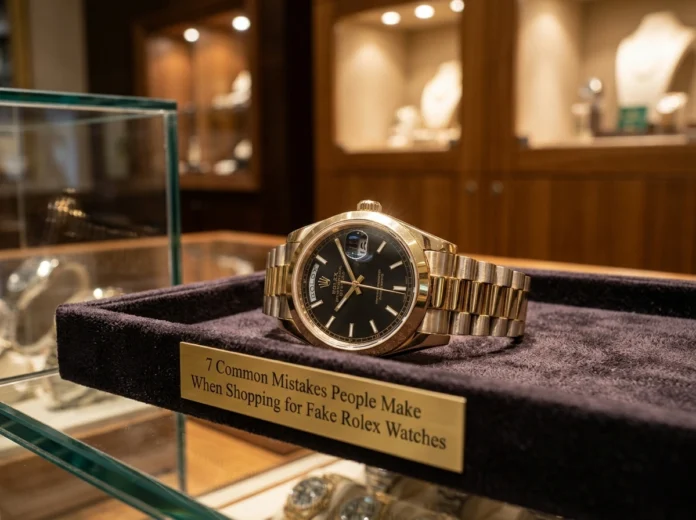
The market for replica luxury watches has grown into a sprawling industry, fueled by demand for the iconic look of a Rolex at a fraction of the price. For many buyers, the appeal is obvious: the prestige of a crown logo without the five-figure price tag. Yet shopping in this space is far trickier than it appears. The difference between a convincing timepiece and an embarrassing knockoff often comes down to the choices a buyer makes before money changes hands.
Unfortunately, most shoppers walk into the process unprepared. They get dazzled by glossy photos, lured by suspiciously low prices, or rushed into a deal they barely understand. The result is wasted money, poor-quality products, and sometimes serious legal headaches. Below, we break down the seven most common mistakes people make when shopping for replica watches, along with practical guidance to help you steer clear of them.
1. Chasing the Lowest Price Above All Else
Price is the first thing most buyers fixate on, and it’s also where they trip up. A rock-bottom offer feels like a win, but in the replica world, pricing tells a story. Quality materials, accurate movements, and detailed craftsmanship cost money to produce. When a listing promises a “perfect” replica for the price of a fast-food meal, something is off.
Cheap units typically use lightweight alloys, printed dials, and unreliable quartz movements that betray the watch instantly. They scratch, tarnish, and stop working within weeks. Smart shoppers understand that there’s a realistic price floor for anything resembling decent quality. Instead of hunting for the absolute cheapest option, focus on value: what you actually receive for the money. A slightly higher price often buys dramatically better materials and longevity.
2. Ignoring Seller Credibility and Reputation
The seller matters just as much as the product. Many buyers find an attractive listing and purchase on impulse without checking who they’re dealing with. This is one of the costliest errors of all, because an unreliable seller can take your payment and vanish, ship a completely different item, or send a unit that looks nothing like the photos.
Before committing, dig into the seller’s history. Look for genuine customer reviews, response times, and a track record of resolving disputes. Reputable vendors are transparent about shipping, refunds, and product specifications. They answer questions clearly and don’t pressure you into rushing. Communities and forums dedicated to reviewing replica sellers can be invaluable here. For shoppers researching trustworthy sources for fake rolex watches, spending an hour reading independent feedback can save you both money and frustration.
3. Overlooking Movement Quality
The movement is the heart of any watch, yet it’s the detail buyers most often neglect. They focus on how the watch looks from the outside while ignoring what makes it tick. This is a mistake, because the movement determines accuracy, durability, and how convincingly the watch behaves.
Lower-end replicas use basic quartz or cheap mechanical movements that run inaccurately and feel hollow. Higher-tier units feature automatic movements that mimic the smooth sweeping seconds hand of a genuine Rolex. If you want a watch that performs and not just one that poses for photos, ask the seller exactly which movement is inside. Vague answers or refusal to specify are red flags. A confident, knowledgeable seller will tell you the movement type without hesitation.
4. Trusting Photos Without Verifying Details
Product photos are marketing tools, and in the replica market they’re frequently misleading. Some sellers post images of genuine watches or heavily edited stock photos, then ship a far inferior product. Buyers who assume the photo equals the product set themselves up for disappointment.
Protect yourself by requesting real, unedited images of the actual item you’ll receive. Ask for photos from multiple angles, including the case back, clasp, and dial under natural light. Pay close attention to small details: font spacing on the dial, the alignment of the date window, the texture of the bezel, and the engraving quality. These tiny markers separate a believable replica from an obvious fake. If a seller refuses to provide current photos, treat that as a warning sign.
5. Skipping Research on Specific Models
Not all Rolex models are replicated equally. Some designs, like the Submariner or Datejust, have been copied for years and produced to impressively high standards. Others are newer or more complex, and replicas of them often fall short. Buyers who don’t research their chosen model end up with versions plagued by inaccurate proportions or missing features.
Take time to study the genuine reference you’re trying to emulate. Learn its exact dimensions, weight, dial layout, and signature characteristics. Once you know what the real thing looks like, spotting a poor imitation becomes far easier. This knowledge also strengthens your position when questioning sellers, since you’ll know precisely what details to verify. A well-informed buyer is rarely fooled.
6. Ignoring Legal and Ethical Considerations
Many shoppers dive into the replica market without considering the legal and ethical landscape. Replicas of trademarked brands occupy a legally gray, and in many places outright illegal, territory. Customs authorities in numerous countries seize counterfeit goods, meaning your package could be confiscated with no refund. In some jurisdictions, buyers can even face penalties.
Beyond the legal risks, there are ethical questions worth weighing. Counterfeit production is often linked to exploitative labor and unregulated manufacturing. None of this means you can’t make an informed personal decision, but pretending the risks don’t exist is naive. Understand the laws in your region, know how customs handles such shipments, and accept that you assume real risk when ordering. Awareness won’t eliminate the downsides, but it will help you make a clear-eyed choice rather than a blind one.
7. Failing to Inspect the Watch on Arrival
The final mistake happens after the package arrives. Excited buyers strap on their new watch and never bother to inspect it properly, missing the window to report problems or request a return. By the time they notice a flaw, the seller’s return period has expired.
When your watch arrives, examine it carefully and immediately. Check the weight, since genuine-feeling replicas use heavier materials. Test the movement over a day or two to confirm it keeps reasonable time. Inspect the clasp, the crown function, and the water-resistance claims if any were made. Compare every detail against the reference images and your research. If something is wrong, document it with photos and contact the seller right away. Acting quickly preserves your ability to seek a refund or replacement.
Conclusion
Shopping for a replica Rolex is less about luck and more about preparation. The buyers who end up disappointed are almost always the ones who rushed, trusted blindly, or skipped their homework. By avoiding these seven mistakes, chasing impossibly low prices, ignoring seller reputation, overlooking movement quality, trusting unverified photos, skipping model research, dismissing legal realities, and neglecting inspection, you put yourself in a far stronger position.
The smartest approach treats every purchase like an investigation. Ask questions, demand transparency, study the genuine article, and weigh the risks honestly. A little patience and research go a long way toward getting a product you’ll actually be happy to wear. In a market full of pitfalls, an informed buyer is always the one who comes out ahead.

