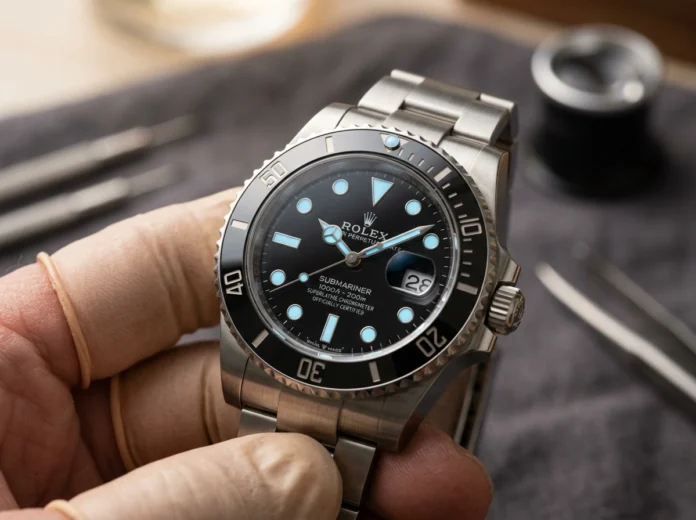
If you’ve searched watch forums or marketplaces lately, you’ve probably bumped into the phrase “super clone Rolex.” It sounds impressive, a little mysterious, and slightly confusing all at once. What does it actually mean? And why do people talk about it differently than they talk about ordinary replicas?
This guide breaks it all down in plain language. You’ll learn what buyers usually mean by the term, how these watches get described in the market, what to watch out for, and how to think critically before spending a dollar. No hype, no jargon—just a clear look at a topic many shoppers research but few explain well.
What People Generally Mean by “Super Clone”
At its core, “super clone” is a marketing label. Sellers use it to suggest a replica watch built to a higher standard than a typical knockoff.
When buyers say “super clone,” they usually mean a watch that aims to copy a genuine Rolex very closely. That includes the dial layout, case proportions, weight, and sometimes the movement inside. The word “super” is meant to signal a step up from cheap fakes you might find at a tourist market.
It’s worth being honest here: there’s no official body that grades or certifies what counts as a “super clone.” The term is informal. One seller’s “super clone” might be another seller’s “mid-tier replica.” That’s exactly why understanding the language matters before you buy.
How Super Clones Are Typically Described in the Market
Listings for these watches tend to lean heavily on specific buzzwords. You’ll see phrases like “1:1 replica,” “Swiss-grade movement,” “904L steel,” and “factory-matched dial.”
Here’s what those claims usually point to:
- “1:1” suggests the dimensions match the original closely.
- “Clone movement” implies the internal mechanism mimics a specific Rolex caliber rather than using a generic motor.
- “904L steel” references the corrosion-resistant alloy Rolex is known for using.
- “Super luminova” or similar terms refer to the glowing markers on the dial.
Sellers use these details to build credibility. The catch is that anyone can write these words in a listing. The presence of a term doesn’t guarantee the watch actually delivers on it.
Quick takeaway: The vocabulary signals intent, not proof. Treat marketing language as a starting point for questions, not as verified fact.
Common Buyer Expectations
People who shop in this space usually want a watch that looks and feels convincing on the wrist. Their expectations often include:
- A dial that reads cleanly and matches the original layout.
- Weight that feels substantial rather than hollow.
- A movement that runs smoothly and keeps reasonable time.
- Details—like the cyclops lens or engravings—that hold up to a casual glance.
Many buyers also expect a “set and forget” experience. They want to wear the watch daily without it falling apart in a month. Whether a given product meets those hopes varies widely, which is why research matters so much.
Perceived Differences Versus Standard Replicas
This is where the term earns its weight. Buyers often draw a line between a “standard replica” and a “super clone.”
A standard replica, in common usage, refers to a budget piece. The proportions might be slightly off, the movement may be a basic automatic or even quartz, and the finishing can look rough up close.
A super clone, by contrast, is described as more refined. Enthusiasts point to tighter tolerances, more accurate dial printing, and movements that attempt to replicate the original’s architecture. You’ll find communities and vendors discussing these tiers in detail, and resources like super clone rolex often outline how sellers categorize quality levels.
Keep in mind: these distinctions live mostly within hobbyist communities and seller listings. They’re descriptive shorthand, not standardized grades.
Quality Claims: What to Question
Quality is the heart of the “super clone” conversation—and the area where claims deserve the most scrutiny.
You might be thinking, “If it says Swiss movement, it must be Swiss.” Not necessarily. Movements in this category often originate from third-party manufacturers, not Switzerland. The phrase may describe the style of movement rather than its true origin.
Ask yourself a few practical questions when reading any quality claim:
- Does the seller show real, in-house photos rather than stock images?
- Are there independent reviews or video walk-throughs?
- Does the listing explain the movement by name, or just use vague labels?
- Is there any mention of timekeeping accuracy in real-world use?
Specific, verifiable answers suggest a more serious seller. Vague superlatives suggest the opposite.
Pricing Perceptions
Price is often the first signal buyers read. Super clones typically sit above cheap replicas but far below genuine Rolex prices.
The logic sellers promote is simple: better materials and movements cost more to produce, so the price reflects the upgrade. A higher price tag, however, doesn’t automatically prove higher quality. Some sellers inflate prices purely to imply premium status.
A useful mindset: compare several listings for the same model. If one is dramatically cheaper or pricier than the pack, ask why. Outliers in either direction deserve a closer look before you trust them.
Legal and Ethical Considerations
Here’s the part that’s easy to skip but important to understand. Rolex is a protected trademark. Producing or selling watches that carry the Rolex name and crown without authorization is trademark infringement in most countries.
For buyers, the legal exposure varies by region, but several realities stay consistent:
- Customs authorities may seize counterfeit goods crossing borders.
- These watches carry no genuine warranty, service, or authentication.
- Reselling them as authentic is fraud, plain and simple.
There’s also an ethical layer. Counterfeiting affects the brands that design original products and, in some supply chains, raises labor and sourcing concerns. None of this is meant to lecture you—just to make sure you’re making an informed choice with eyes open.
How to Evaluate Claims Critically
So how do you cut through the noise? Treat every listing like a claim that needs evidence.
Use this simple checklist:
- Demand real media. Genuine sellers share original photos and videos.
- Cross-check the model details. Compare dial text, date placement, and proportions against authentic reference images.
- Read independent feedback. Look for reviews outside the seller’s own platform.
- Watch the language. Overuse of words like “perfect” and “flawless” with no specifics is a red flag.
- Confirm communication. Responsive, clear sellers are generally safer than ones who dodge questions.
Imagine you’re comparing two listings for the same reference. One offers detailed photos, a named movement, and honest notes about limitations. The other just repeats “super clone, best quality.” The first seller is telling you something real; the second is selling a slogan.
Key Takeaways
- “Super clone” is an informal marketing term, not a certified standard.
- Claims about steel, movements, and accuracy need real evidence, not buzzwords.
- Pricing signals quality only loosely—compare multiple listings.
- Counterfeit watches carry legal, warranty, and ethical risks worth understanding.
- Critical evaluation, not hype, protects you as a buyer.
Final Thoughts
The phrase “super clone Rolex” carries a lot of weight in online watch circles, but most of that weight comes from marketing rather than any official meaning. Once you understand it as a tier of replica described differently by different sellers, the mystery fades.
The smartest thing you can do today is slow down and verify. Read listings carefully, question vague claims, compare prices across several sources, and take the legal and ethical realities seriously. Knowledge is your best tool here—far more valuable than any single product description.
If you take one action next, make it this: build your own short checklist from this article and apply it to every listing you view. That habit alone will keep you grounded, informed, and far less likely to be misled.

